July 27, 2026
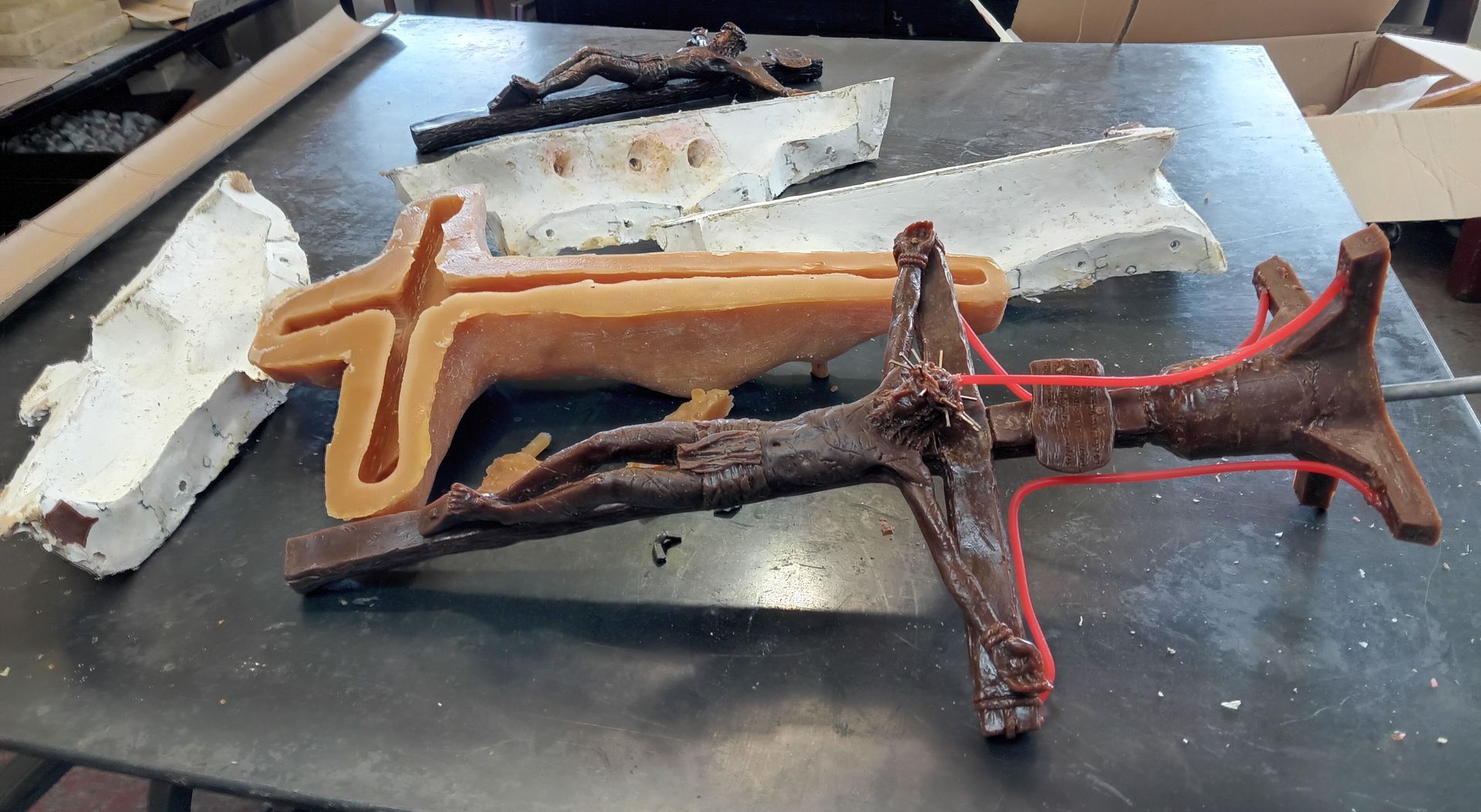
In sculpture casting, molds serve as the blueprint for the final artwork, capturing every intricate detail envisioned by the artist. They allow craftsmen to create detailed reproductions of sculptural art, necessary for both large editions and unique creations. Top sculpture casting companies know that the mold is fundamental in transforming a sculptor’s concept from an initial model or sketch into a tangible work of art. High-quality molds ensure the integrity of the original design, translating even the minutest features into reality.
Understanding the Importance of Precision Molds
The Role of Molds in Sculpture Casting
In fine metal and resin casting, molds serve as the blueprint for the final artwork, capturing every intricate detail envisioned by the artist. Professional sculpture casting companies utilize them to create detailed reproductions, necessary for both large editions and unique creations. The mold is fundamental in transforming a sculptor’s concept from an initial model or sketch into a tangible work of art. High-quality molds ensure the integrity of the original design, translating even the minutest features into reality. Industry leaders emphasize the mold's pivotal role in achieving artistic excellence across various mediums.
Impact of Quality Molds on Final Artworks
Quality molds significantly affect the final appearance and structural integrity of the finished piece. A flawless mold eliminates the need for excessive corrections post-casting, preserving the artist's original vision and reducing the potential for defects. Moreover, precision in mold-making ensures uniformity and consistency in multiple reproductions, a critical factor for limited editions. According to Caswell Sculpture, custom commissions—whether it is portraits and memorials or wildlife and architectural pieces—allow clients complete control over size, patina, pose, and location, making bronze the premier choice over marble, wood, or stainless steel. Thus, sculpture casting companies invest heavily in top-notch mold-making to guarantee long-term physical durability and aesthetic appeal.
Precision Molds in Contemporary vs. Traditional Sculptures
Contemporary and traditional sculptures both demand precision molds, though their technical requirements often differ. Traditional sculptures often rely on time-honored methods, where the mold must support manual casting processes. Contemporary art, however, embraces modern techniques and materials, which necessitate molds that can withstand technological and material innovations. Despite differing practices, both genres share the need for precision to maintain authenticity and capture artistic flair. The cross-section between tradition and innovation is where sculpture casting companies excel, bridging the gap consistently in the mold-making process.
Material Selection for Precision Molds
Properties of Ideal Mold Materials
The choice of materials for molds is a critical factor that influences not only the mold's precision but also its longevity and performance. Ideal mold materials must possess a combination of strength, flexibility, and thermal stability to capture and preserve intricate details. Additionally, they should be compatible with the chosen casting medium—be it bronze, marble, or synthetic composites. In the selection process, quality is paramount; materials like high-grade silicon or reinforced plaster offer attributes critical for dependable mold-making. Reputable sculpture casting companies rigorously evaluate these material properties to maintain structural accuracy.
Comparing Silicon, Plaster, and Synthetic Materials
Silicon, plaster, and synthetic materials are widely used in mold-making, each offering distinct operational advantages. Silicon is favored for its flexibility and excellent detail reproduction, making it suitable for intricate designs. Plaster molds, on the other hand, are cost-effective and have a solid tradition in casting, though they are less flexible. Synthetic materials can offer a balance, providing a combination of strength and detail retention. Each material presents pros and cons, influencing the choice based on project needs and artist preferences. Full-service sculpture casting companies curate their material selections to meet the diverse demands of the artists they collaborate with.
Durability and Flexibility Considerations
Ensuring the durability and flexibility of molds is crucial for accommodating the demands of the casting process. Durable molds withstand multiple uses without degrading, which is essential when producing series or limited editions. Flexibility allows molds to handle complex shapes and undercuts effectively, capturing every nuance of the artist's vision. Balancing durability with flexibility ensures that molds not only last but also perform exceptionally across diverse casting projects. Premier sculpture casting companies select and apply mold materials to guarantee the result matches the creator's exact intentions.
Quality Control Measures in Mold Production
Initial Design Assessments and Approvals
Quality control in mold production begins with thorough design assessments and approvals. This stage ensures that the proposed mold aligns with artistic specifications and production capabilities. By meticulously reviewing designs before fabrication, teams can preemptively identify potential issues and devise solutions. This process involves close collaboration between artists and mold-making professionals, emphasizing a shared commitment to preserving the artistic vision. Early engagement in design assessments forms the bedrock of flawless mold production, minimizing errors and optimizing outcomes.
Step-by-Step Inspection Protocols
Implementing step-by-step inspection protocols is paramount in maintaining mold quality throughout the production process. Each stage of mold fabrication undergoes stringent checks to verify conformity with design standards. Inspections are systematic, examining elements such as mold surface finish, dimensional accuracy, and structural integrity. These protocols serve as a safeguard against defects that may compromise the final sculpture's quality. Dedicated sculpture casting companies enforce these procedures to demonstrate their commitment to the highest standards of excellence.
Testing for Mold Durability and Accuracy
Durability and accuracy testing are vital components of the quality assurance process in mold-making. These tests simulate the conditions the mold will face in use to ensure it can withstand the rigors of casting without degradation. Accurately shaped molds ensure that the resulting cast aligns perfectly with the sculptor's design, preserving artistic intent. By rigorously testing molds, teams can make necessary adjustments before full-scale production, thereby avoiding costly setbacks. This proactive approach reinforces the commitment to delivering exceptional quality in every piece produced.
Commitment to Craftsmanship and Expertise
Training and Expertise of Skilled Craftsmen
The expertise and training of craftsmen are critical to ensuring the flawless production of precision molds. Skilled artisans bring years of experience and a deep understanding of mold-making intricacies, which are vital in realizing the artist's vision. Continuous training programs keep craftsmen updated on cutting-edge techniques and materials, enhancing their ability to tackle complex projects. A commitment to expertise fosters a culture of excellence, ensuring each mold exceeds industry standards. In cultivating skilled craftsmanship, foundry teams actively preserve the rich tradition of sculptural art.
Attention to Detail in Every Production Stage
Attention to detail at each stage of production is crucial to achieving flawless molds. From initial design assessments to final inspections, every step requires precision and care. Craftsmen meticulously refine each aspect of the mold to ensure it aligns perfectly with artist specifications. This meticulous approach minimizes the risk of defects, maximizing the potential for artistic excellence in the final sculpture. By prioritizing attention to detail, established casting operations upskill their workforce and enhance their competitive edge.
Artistry and Precision as Company Values
Artistry and precision are core values that underpin the work of leading fine art foundries. A dedication to detail and artistic vision inspires a collaborative approach, encouraging creativity and innovation at all stages of production. These teams strive not just to meet but to exceed client expectations, elevating the industry standard. By embracing precision as a guiding principle, firms ensure that each mold is a testament to both technical and artistic excellence. Ultimately, this commitment fuels their reputation as industry leaders in the field of fine art.
Precision molds are fundamental to the success of sculpture casting, influencing both the artistic and economic aspects of sculptural artwork. By prioritizing advanced techniques, quality materials, comprehensive quality control, and expert craftsmanship, sculpture casting companies establish themselves as leaders in the art world, consistently delivering exceptional results to their clients. Meticulous attention to detail ensures that every casting retains its intrinsic aesthetic value and structural resilience over time.
Turn your creative vision into a lasting masterpiece by contacting Max Cast Inc today!