September 29, 2026
Creating a custom bronze sculpture is an intricate, highly demanding journey that bridges raw artistic vision with everlasting material durability. However, transforming a fragile clay model, wax prototype, or 3D-printed digital file into a solid bronze masterpiece requires navigating complex physical and metallurgical challenges. Without specialized foundry intervention, issues such as alloy shrinkage, internal gas pockets, structural stress fractures, and subtle surface distortions can easily jeopardize a finished project.
Partnering with professional sculpture casting services ensures that every subtle line, expressive gesture, and organic texture is faithfully preserved while technical defects are systematically eradicated. Whether working on fine gallery art, grand civic monuments, architectural accents, or personalized memorial installations, fine-tuning the lost-wax casting process makes the ultimate difference between a fragile replica and a permanent cultural legacy.
Perfecting Mold Precision
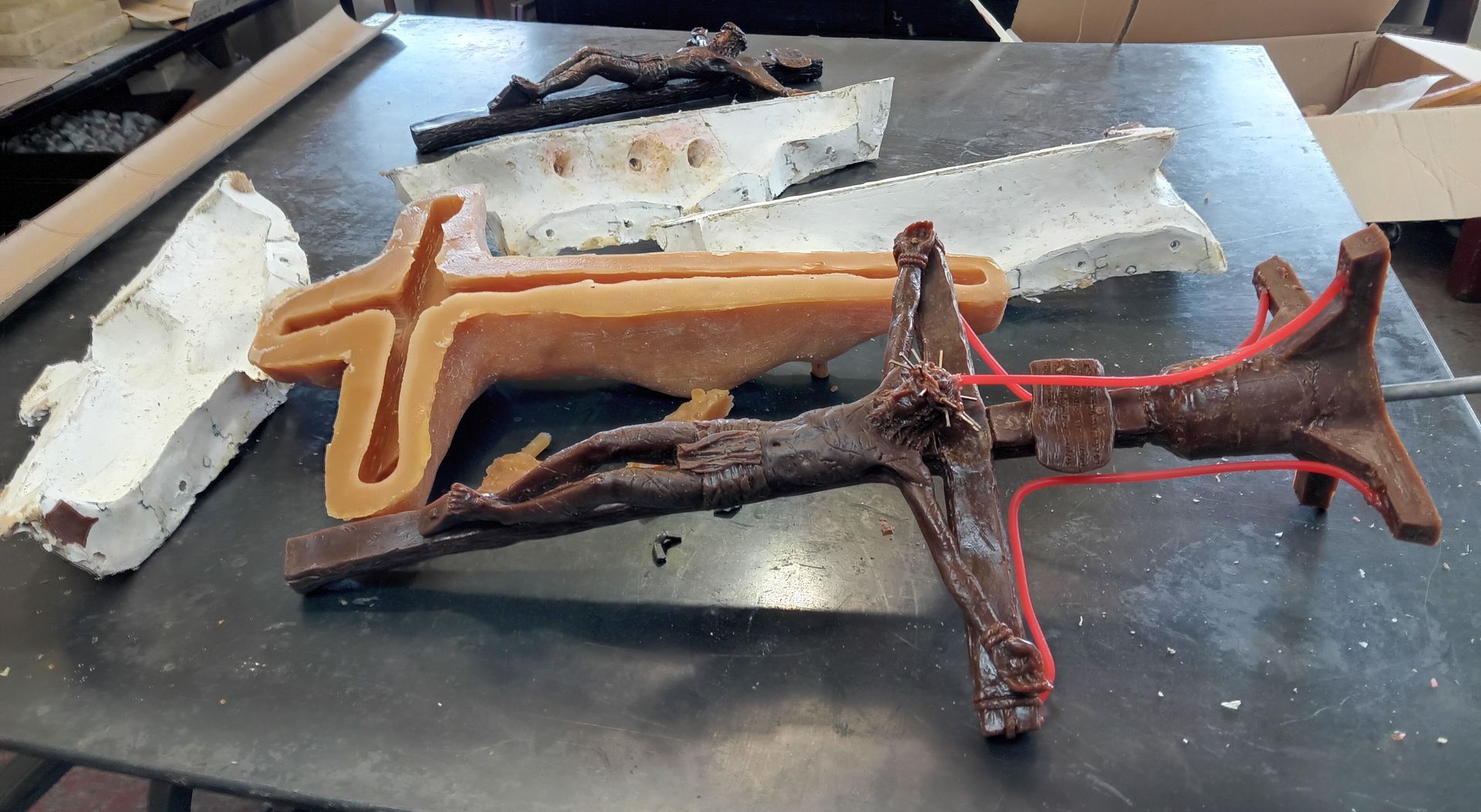
The journey toward a flawless custom bronze artwork begins well before any liquid metal is melted in the foundry furnace. Expert foundry technicians start by constructing flexible silicone, polyurethane, or latex rubber molds directly over the artist’s original model. These pliable materials are engineered to capture microscopic surface details, ranging from fine tool marks to subtle organic brushwork. To prevent the soft inner rubber liner from bowing, warping, or sagging under its own weight, artisans build rigid outer support shells—known as "mother-molds"—out of plaster, fiberglass, or high-density polyurethane. By maintaining complete dimensional and geometric stability during the initial wax pouring stage, technicians prevent early-stage warping and spatial alignment errors that would otherwise compound throughout subsequent production steps.
Designing Gating Systems
One of the primary causes of internal voids, micro-porosity, and structural weakness in cast bronze is erratic fluid dynamics during the pour. Professional sculpture casting services systematically counter this risk by designing custom gating systems—a strategically engineered network of wax sprues, runners, and air vents attached directly to the wax model. This network dictates precisely how molten bronze will travel through the investment shell. By calculating metal flow velocity, hydrostatic pressure, and gravity dynamics, foundry engineers ensure a smooth, non-turbulent fill. Proper top and side venting allows expanding thermal gases and ambient atmospheric air to escape freely ahead of the liquid bronze, completely preventing trapped air pockets that weaken metal density.
Regulating Thermal Control
Temperature management during the investment casting process directly dictates the final structural density, surface fidelity, and chemical purity of a bronze sculpture. After applying a multi-layered ceramic shell around the wax pattern and burning the wax out in a high-temperature kiln, the empty hollow shell mold must be preheated before receiving metal. Bronze typically requires exact thermal matching with the receiving ceramic shell. If the mold is too cool, the molten metal freezes prematurely, causing incomplete structural fills known as "misruns." Conversely, if temperatures are miscalculated, the liquid metal can react aggressively with the ceramic matrix, causing sand inclusions and rough surface scarring. Advanced furnace monitoring eliminates these destructive thermal shock hazards entirely.
Correcting Surface Defects
Once the molten bronze has fully cooled and solidified, foundry artisans break away the outer ceramic investment shell using pneumatic hammers and high-pressure water jets to reveal the raw metal casting. At this stage, the bronze sculpture features raised mold seam lines, attached metal sprues, and minor surface roughness. Experienced metal chasers perform meticulous surface restoration using specialized hand chisels, pneumatic die grinders, rotary files, and dental tools. Working with extreme patience, these master craftsmen eliminate all traces of the temporary gating channels and grind down seam lines. Through professional sculpture casting services, chasers match original surface textures—such as human skin, woven fabric, hair, or stone—so seamlessly that the final metal surface appears as a single continuous work of art.
Welding Structural Sections
Monumental public sculptures, complex multi-figure works, and intricate geometric designs are rarely cast as a single monolithic piece due to mold size constraints and molten metal flow limits. Instead, large sculptures are strategically sectioned into smaller components, cast individually, and subsequently assembled in the foundry. Achieving invisible joints requires TIG (Tungsten Inert Gas) welding performed with specialized bronze filler rods that exactly match the elemental alloy composition of the castings. Artisans weld joint seams with deep penetration to guarantee structural stability, then painstakingly grind, chase, and re-texture the raised weld beads until the seam vanishes completely. This precise assembly delivers flawless visual continuity across monumental-scale installations while eliminating structural weak points.
Applying Custom Patination
The final critical step in eliminating visual inconsistencies and protecting the metal surface is patination—a controlled chemical oxidation process that imparts rich, nuanced color tones across the bronze sculpture. Utilizing established sculpture casting services provides direct access to master patineurs who apply heat torches and chemical solutions like cupric nitrate, ferric nitrate, or liver of sulfur. Beyond adding rich artistic depth, classic brown tones, or vibrant custom colors, a properly sealed patina masks subtle alloy color variations and protects the bare bronze against environmental oxidation. Sealed with high-grade microcrystalline wax or protective acrylic coats, this barrier ensures long-term resistance against acid rain, ultraviolet exposure, ambient humidity, and urban pollutants.
Expanding Memorial Markets
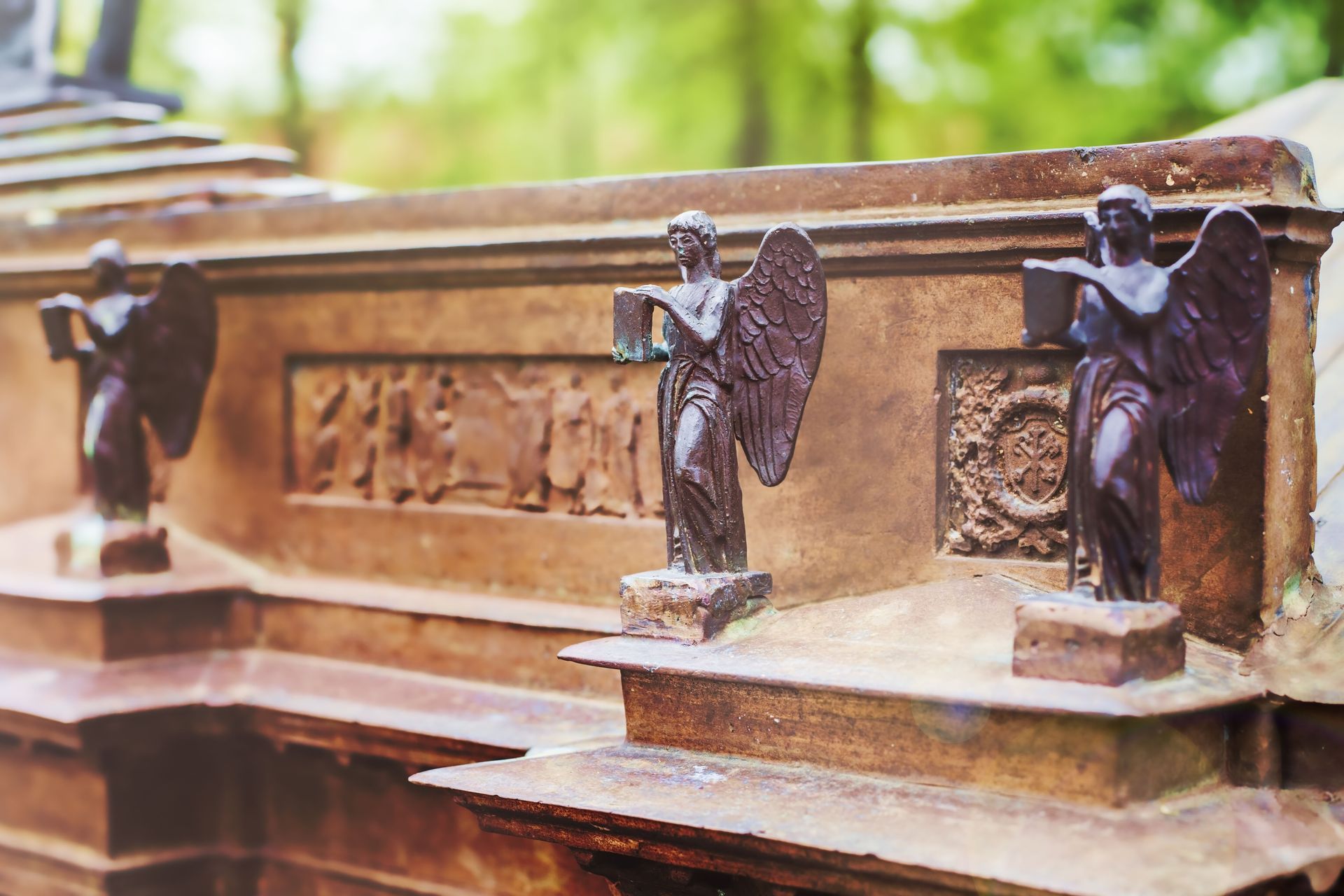
The demand for high-grade, defect-free custom bronze metalwork extends far beyond traditional fine art galleries, public parks, and civic installations. Custom bronze plaques, bas-relief portraits, commemorative urns, and custom statue monuments play a vital role in honoring individual legacies throughout the bereavement and death care industry. According to US Funerals Online, the broader death care market—encompassing funeral, cremation, and memorial services—was projected to reach approximately $103.5 billion by 2030, expanding at a 6.67% CAGR from 2025. As families, private estates, and municipal cemeteries increasingly seek personalized, everlasting tributes, relying on specialized sculpture casting services becomes essential to ensure these solemn commemorative markers endure through harsh outdoor climates for generations without losing aesthetic beauty or structural integrity.
Preserving Artistic Intent
At its core, industrial art casting is dedicated to honoring and elevating the sculptor's original vision without structural compromise. When artists attempt small-scale studio casting without industrial foundry equipment, they frequently face high defect rates, costly material loss, and severe safety hazards. Delegating technical execution to dedicated sculpture casting services frees sculptors, designers, and architects to focus entirely on creative form, spatial scale, and emotional expression while leaving complex metallurgical science to experienced specialists. The result is a seamless collaboration that maximizes financial value, enhances overall artistic quality, and guarantees that every finished bronze sculpture stands as a pristine, enduring testament to the creator's vision.
Transforming creative concepts into permanent bronze sculptures requires a harmonious blend of artistic intuition and rigorous metallurgical science. From initial rubber mold building and thermal furnace control to metal chasing, seamless structural welding, and chemical patination, dedicated foundry workflows systematically eradicate flaws that threaten custom artwork. Utilizing commercial
sculpture casting services gives individual artists, civic arts commissions, and commercial clients absolute confidence that their bronze commissions will withstand atmospheric exposure, retain visual elegance, and endure across generations.
If you are ready to bring your next artistic vision or memorial design to life with exceptional detail and lasting structural integrity, rely on the experts at Max Cast Inc. Our team of experienced foundry technicians and master artisans works closely with you through every phase of production to ensure your original concept is faithfully rendered in bronze. Contact us today to request a quote and discover how our specialized casting solutions can elevate your art.